
Adding buddies to your typical children’s ministry classes is a great way to support kids with disabilities and special needs. But adding more volunteers when we’re already struggling to get enough each Sunday is a big challenge. Here are four ideas for supporting kids in your children’s ministry so you don’t have to turn away any families!
First, train the classroom teachers and helpers. This should be #1 on our to-do list. In many churches, there’s a separation between children’s ministry and disability ministry. It can feel like, “These are our kids, and those are your kids,” with the classroom teachers handling the typical kids and the disability ministry team handling the not-so-typical kids. But that isn’t the best way to do it. These are our kids—all of our kids. What’s stopping the regular classroom teachers and helpers from feeling confident to support kids with disabilities may be a lack of knowledge or experience. We need to take the fear and mystery out of it.
So let’s train all the children’s ministry and youth ministry leaders and volunteers on how to support students with special needs, learning disabilities, and mental health and behavioral diagnoses. Let’s get them on our team and empower them. In the Parable of the Great Banquet in Luke 14, we read that when they invited people with disabilities to the table, there was still room for everyone (v. 22). When we start with the mindset of inclusion, it benefits everyone. We can train everyone on how to support kids in their classes, and hopefully, we’ll need fewer buddies!
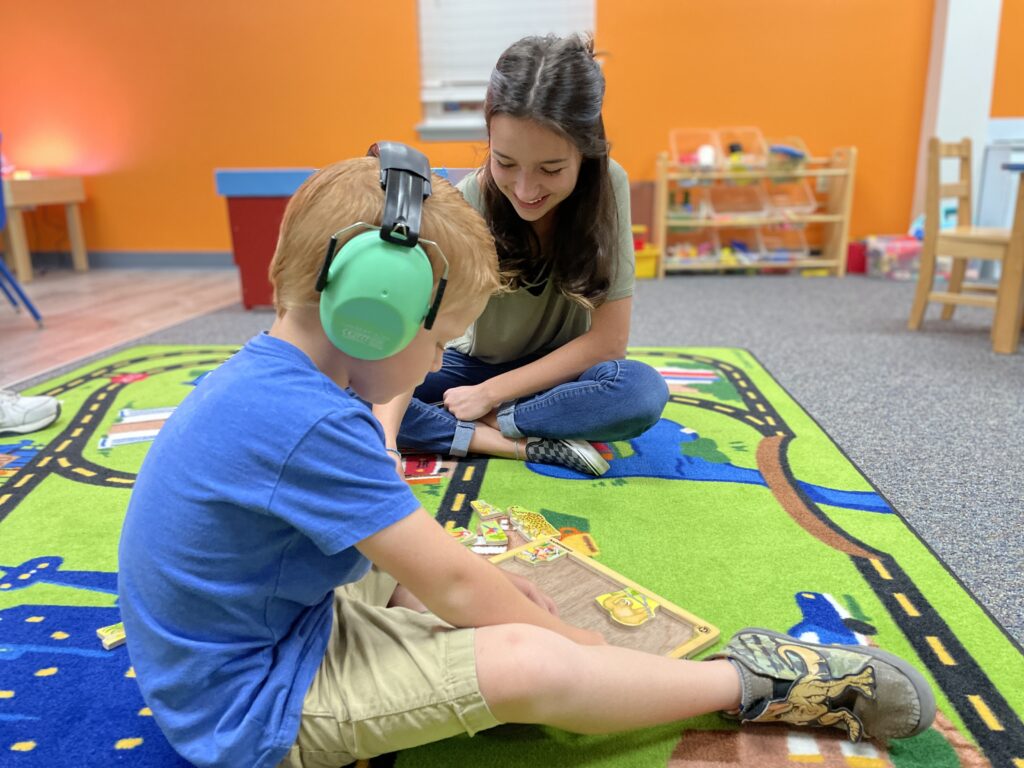
Second, have floater buddies in the classroom instead of one-on-one buddies. As we look at the kids and their support needs for the new school year, we’re asking ourselves whether they need one-on-one support or just someone available to support them when needed, who is also available to support other kids in the class. This is especially true in our older elementary classes. Kids who have needed lots of help in the past are maturing and gaining skills that help them be more independent. They may need someone to step in occasionally, but not as often as they did when they were younger. So instead of a buddy being assigned to one student, they are assigned to a classroom and available to help any student in the room who needs it. This also works well in the youth group setting, when teens may not want someone shadowing them, but it is helpful to have an adult who keeps an eye on that student and anyone else who may need support at times.
Third, hire buddies. Some churches have people who are generous givers but are less likely to volunteer their time (or at least less likely to volunteer as consistently as we need them to in disability ministry). If this is your church, consider hiring buddies. We do it at our church, and it works really well. We hire people from the community who are there on Sunday mornings and for our Wednesday night activities, then we fill in around them with volunteers. Some of our kids really benefit from the consistency of the same buddy week after week. And our ministry leaders don’t stress each Saturday night because they know the paid buddy will be there the next morning. You’ll want to have clear communication with them and train them well. You’ll also want to make sure they share your church’s values and prioritize the gospel. But the right person in this role can make a huge difference for your ministry!
Number 4, and something that works for lots of churches, is to ask special needs families to let you know ahead of time if they will be there on Sunday, so you can prepare to meet the needs of their kids. It’s like a reservation system. I know we don’t want to add one more obstacle to families coming to our church. Still, as a parent, I wouldn’t mind sending a quick text on a Thursday afternoon to let the ministry leader know we plan to be there on Sunday if it means there’s someone ready and happy to see James when we get to church. A couple of our regular families have naturally done that over the summer—letting us know when they will be out for vacation so we can adjust our volunteers’ schedule. If being understaffed or overstaffed is an issue (like you have buddies ready week after week, but the families don’t show up, which makes volunteers less likely to keep showing up to help), this could be a solution.
That’s the four ideas I have to help when you’re low on buddies: train everyone, use floater buddies, hire help, or ask parents to let you know when they’ll be there so you’re prepared. I hope they work for you or spark another idea that would work!
Looking for more resources on inclusion in your children’s ministry? Check out these resources:
- Buddy training video and slides
- The spiritual role of a buddy
- Amazon list of ideas for your buddy bags
- 4 Steps to Take for Successful Volunteer Care in Disability Ministry